What a Risk Committee Should Expect from a Third-Party Cyber Risk Report

What’s on this page
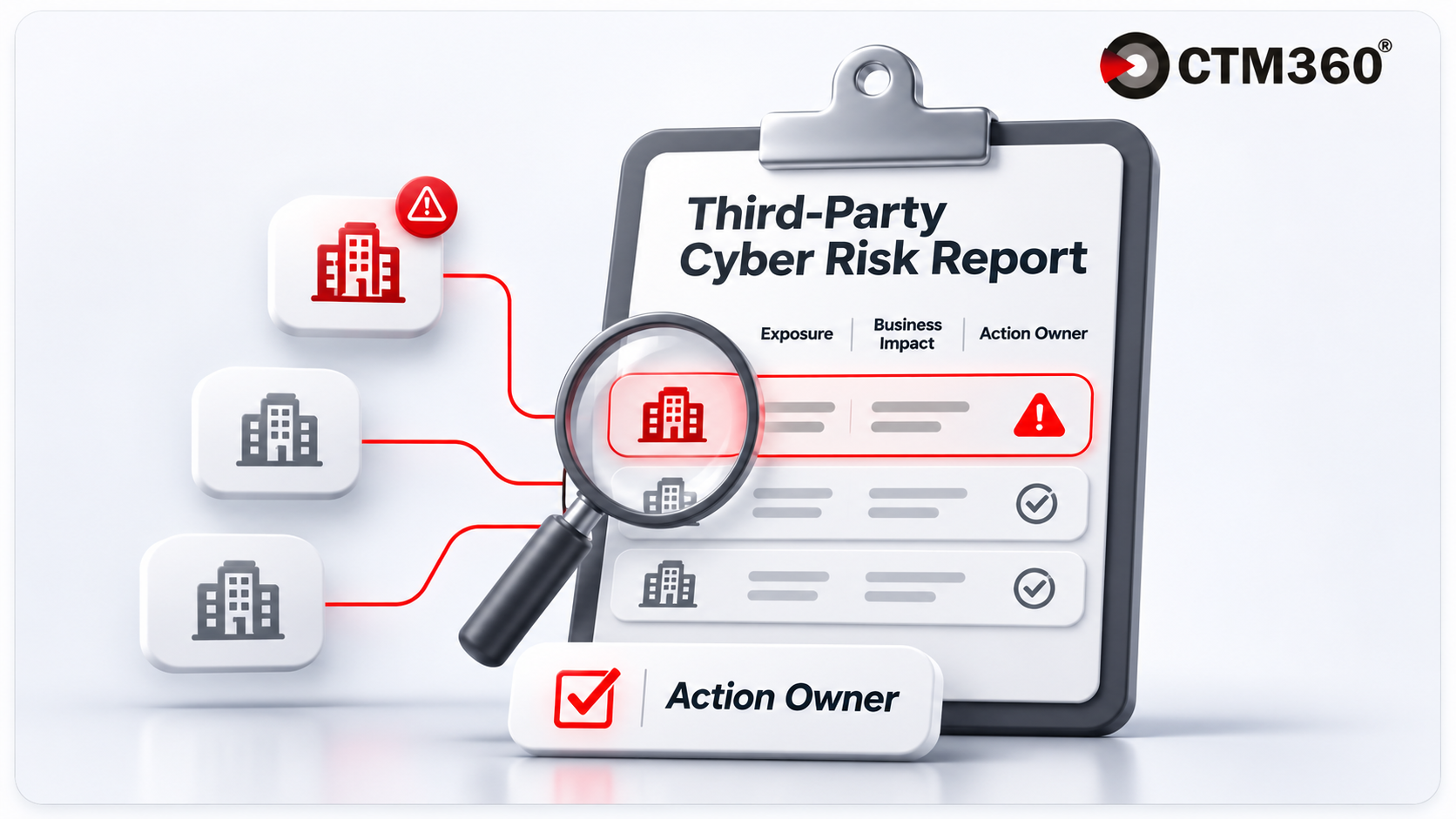
A third-party cyber risk report should show which supplier exposures matter to the business, what has changed and where action is overdue. Combining external findings, assessment evidence and business criticality helps risk committees challenge unresolved issues, assign ownership and make informed decisions.
A report built around the percentage of suppliers assessed, questionnaires outstanding and suppliers by tier shows whether the programme is running on schedule. Those measures do not, on their own, show whether a supplier’s exposure has changed since the last meeting.
To support oversight, the report should connect material findings with the business services they could affect and identify decisions requiring leadership attention.
Why Periodic Assessments Need Ongoing Monitoring
Questionnaires capture information at a point in time. Their value depends on the quality and currency of the responses and supporting evidence.
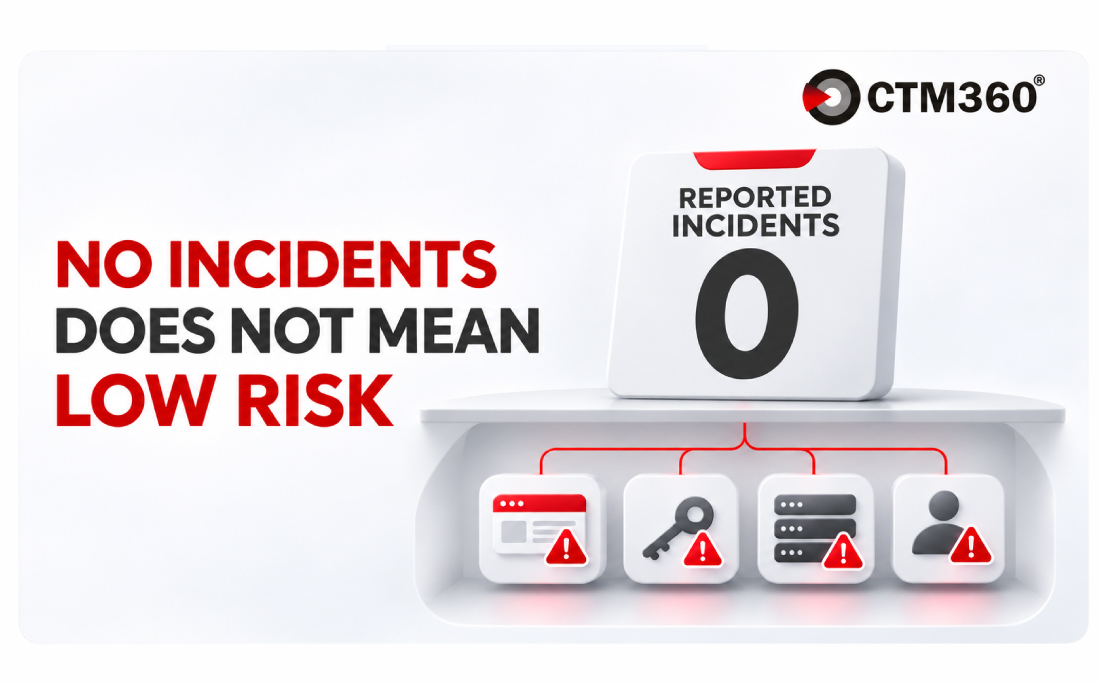
A supplier assessed in March could expose a vulnerable remote access service in June. Without ongoing monitoring and supplier communication, that change may be missed until the next scheduled review. External observations help teams identify changes that warrant investigation between assessments.
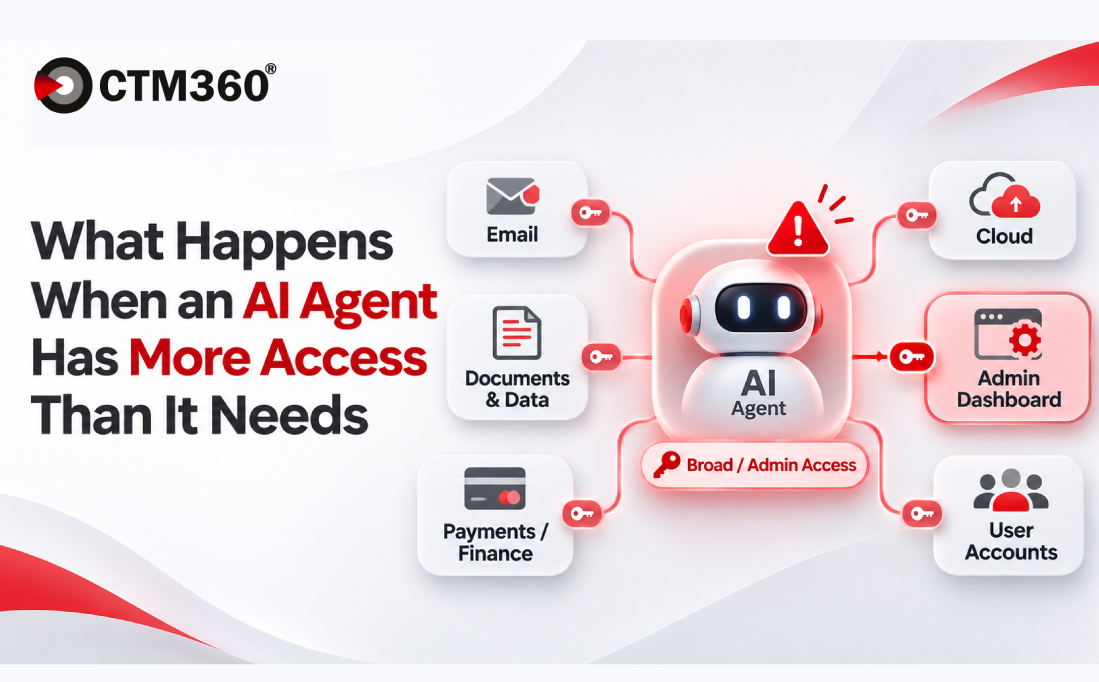
Supplier criticality should also be reviewed when the relationship changes, such as when the supplier gains access to sensitive data or takes responsibility for an essential business service.
Prioritise Exposures in Their Business Context
External monitoring can identify internet-facing services, certificate issues and visible technologies that may be associated with vulnerabilities. An open port is not automatically a weakness, and a software version alone may not establish exploitability. Threat actor claims and news reports also require verification.
Before prioritising a finding, establish whether it belongs to the supplier, affects the service your organisation uses and presents a relevant exposure. Consider business impact, access to systems or data, existing controls and evidence of exploitation.
Supplier criticality and remediation priority should remain distinct. A lower-tier supplier with a validated exposure involving a vulnerability known to be exploited may require urgent action. That does not automatically make it more critical to the business than a supplier supporting an essential service.
Show the Evidence Behind Each Finding
Each material finding should identify its source, when it was first and last observed, and whether its applicability has been validated. Distinguish external observations, supplier responses and independent assurance evidence so the committee can understand the basis of the assessment.
If a supplier disputes a finding, include the reason and what remains to be checked. Where monitoring coverage is incomplete, state that limitation. This helps the committee distinguish a resolved issue from an unanswered question.
How to Escalate a Supplier Exposure
Consider a hypothetical example: external monitoring flags a supplier service that may be affected by a vulnerability with known exploitation. The finding should move into the response process when identified.
Validate the finding. Check asset attribution and vulnerability applicability with the supplier, including the affected version, exposure and relevant controls. An exposure does not, by itself, establish that the supplier has been compromised.
Prioritise the response. Assess the affected service and potential business impact. Confirmed exploitation should carry appropriate weight over a prediction from the Exploit Prediction Scoring System (EPSS).
Assign and act. The relationship owner coordinates with the supplier and security team to agree remediation, suitable interim controls and a deadline. Urgent issues should not wait for a quarterly committee meeting.
Escalate unresolved risk. Report material exceptions with the evidence, actions already taken and decision required. Escalate outside the normal reporting cycle when agreed risk thresholds are exceeded.
The appropriate decision-maker may require additional controls, approve a time-limited risk exception or consider alternative suppliers. Record the decision, accountable owner and review date. Remediation should be verified before the finding is closed.
What to Ask for at the Next Committee Meeting
The Head of GRC or third-party risk lead should review remediation priorities across the supplier portfolio. Reporting should explain changes since the previous meeting and identify overdue actions.
For each material supplier issue, include:
Questionnaires and supporting evidence help assess controls that cannot be verified externally, such as employee security training and internal access reviews. Assessment frequency should reflect supplier criticality, the wider assurance evidence and applicable obligations. External changes can trigger additional reviews between scheduled assessments.
A lack of observed external findings should not, on its own, justify extending the review cycle for a critical supplier.
How RiskHub Supports Third-Party Risk Reporting
CTM360’s RiskHub combines external supplier monitoring with security questionnaires and supporting evidence. It provides visibility into third-party attack surfaces, visible technologies and security posture across supplier portfolios.
Its assessment capabilities let teams distribute questionnaires, request evidence and track responses. CTM360’s published product information includes a library of 1,700+ control questions and mappings to 240+ frameworks.
External monitoring does not require supplier input. Questionnaire responses and supporting evidence involve supplier participation. Risk teams should combine these inputs with their own understanding of service dependencies and business impact when preparing committee reports.
Request a demo to see how RiskHub supports ongoing supplier monitoring and security assessments.
FAQs
Why are annual supplier questionnaires insufficient on their own?
Questionnaires capture a supplier’s responses and evidence at a point in time. Systems, access arrangements and threats can change between reviews. Ongoing monitoring and supplier communication help identify changes that warrant investigation, while questionnaires remain important for assessing controls that are not externally visible.
How should a risk committee use EPSS in supplier reporting?
The Exploit Prediction Scoring System (EPSS) estimates the likelihood that a published vulnerability will be exploited in the wild within the next 30 days. It does not confirm that a particular supplier is being targeted or has been compromised. Use it alongside validated applicability, confirmed exploitation, exposure and business criticality to inform remediation priorities. Confirmed exploitation evidence should take precedence over the forecast.
How does RiskHub combine external monitoring with supplier security assessments?
RiskHub combines continuous external monitoring with security questionnaires and supporting evidence. External findings help GRC teams identify issues that warrant further investigation or targeted follow-up questions. Questionnaires and evidence collection help assess controls that cannot be verified externally, such as employee security training and access management practices. Together, these provide a broader view of a supplier’s security posture.
References
NIST — Key Practices in Cyber Supply Chain Risk Management
FIRST — EPSS Frequently Asked Questions