What Cyber Threat Intelligence Should Tell a CISO


What’s on this page
A CISO does not need another list of threats. They need to know which threats could affect their organisation, how serious they are and what the security team should do next.
Cyber threat intelligence (CTI) helps answer those questions by putting information about vulnerabilities, threat actors and attack methods into context. Its value is not in the volume of alerts it produces, but in how well it supports investigation, prioritisation and decisions.
For a CISO, useful intelligence should answer five questions.
1. Does This Threat Apply to Our Organisation?
A vulnerability announcement may be important, but it is not automatically urgent for every business.
Consider a warning about attackers exploiting a firewall vulnerability. Before assigning priority, the security team needs to establish whether the organisation uses the affected product and version, whether the system is exposed, and what the potential impact would be if it were compromised.
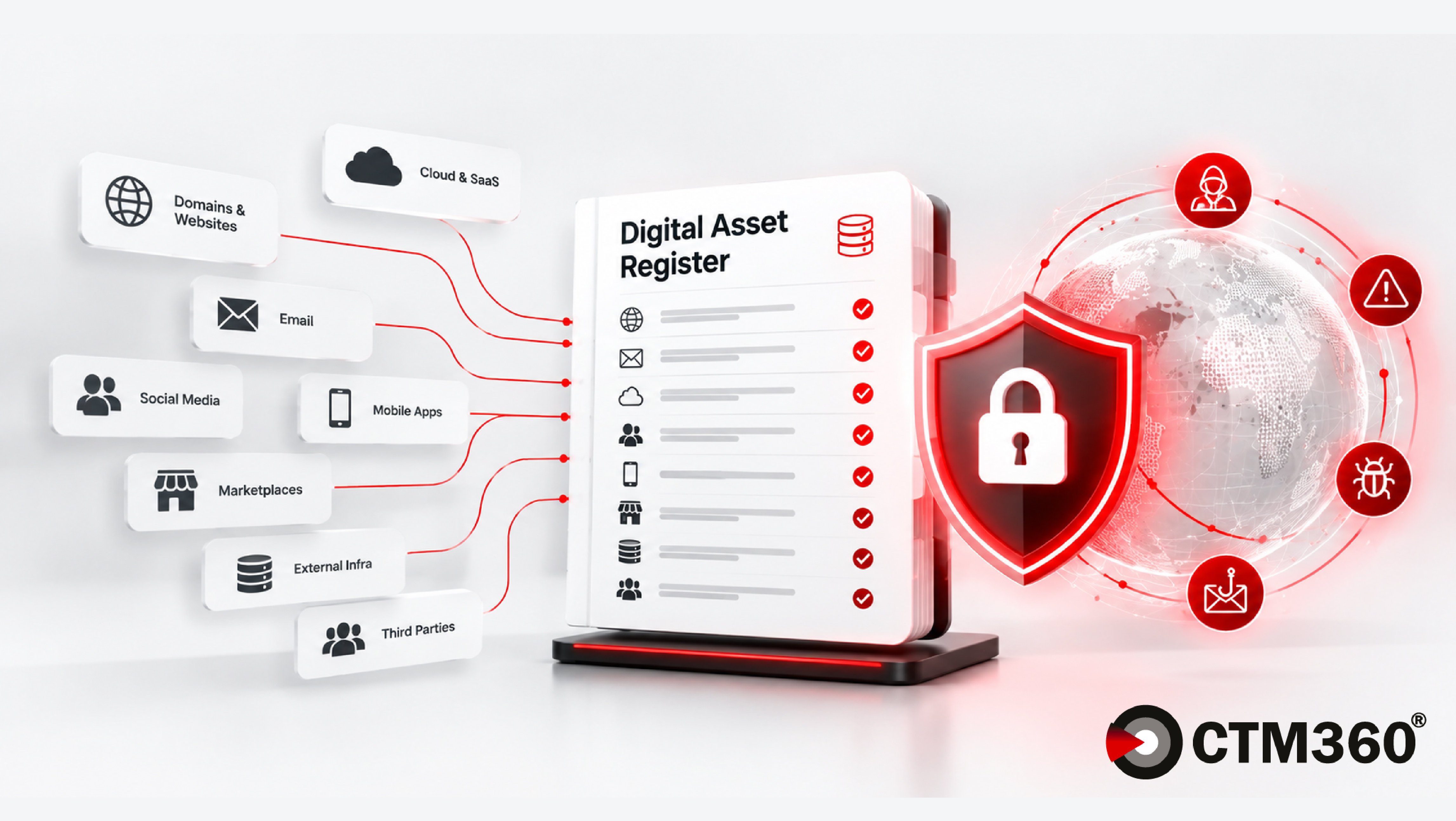
That assessment depends on an accurate view of the organisation’s assets, including software, internet-facing systems, services and suppliers. If a system is missing from the inventory, a relevant warning could be overlooked. Asset information therefore needs regular review, especially as systems and suppliers change.
2. Is a Threat Actor’s Claim Credible?
A ransomware group may claim to have breached an organisation. An account advertised for sale on an underground forum may appear to belong to an employee. Both warrant attention, but neither is proof of a current breach.
Claims can be inaccurate, outdated or based on reused material. Analysts should assess the source, timing and available evidence, then compare the claim with relevant internal information, such as system and login records.
If employee credentials appear in a leak, the team should establish whether the account is active, secure any potentially compromised access and review recent activity. The response should be proportionate to the evidence, not the wording of the claim.
3. What Should We Do About a Vulnerability?
When a serious vulnerability is disclosed, a CISO needs to know whether the organisation is affected and whether there is evidence of exploitation. The next question is what can be done to reduce exposure.
Depending on the circumstances, the response may involve applying an update, restricting access or temporarily disabling an affected feature. If a fix is not yet available, temporary safeguards may be needed while the team monitors for further guidance.
These decisions also have operational consequences. Disabling a feature, for example, may interrupt a service that employees or customers rely on. Threat intelligence can inform the recommendation, but security teams and system owners need to agree on how to apply it safely.
4. How Do the Attackers Operate?
Threat reports often include indicators of compromise (IoCs), such as IP addresses, URLs and file hashes. These can give analysts a starting point for investigating suspicious activity in their environment.
But an indicator alone rarely explains the wider threat. An attacker can change infrastructure while continuing to use similar methods. Understanding those methods helps teams assess which defences to review.
For example, if a threat actor is known to use stolen credentials, the security team can examine how sensitive accounts are protected, including whether multifactor authentication is in place.
The MITRE ATT&CK framework provides a common way to describe known adversary tactics and techniques. It can help teams connect threat reporting to the controls and detection capabilities they use.
5. What Needs a Decision, and Who Owns It?
A CISO briefing should make it easy to distinguish between issues that have been addressed and those that still need attention.
A useful report might show, for example, that three serious vulnerabilities affect the organisation: two have been addressed, while the third remains unresolved because the supplier has not confirmed a fix. That gives the CISO a clear decision to consider: whether temporary safeguards are needed while the team waits for the supplier.
For each unresolved issue, the briefing should identify the potential business impact, the recommended action, an owner and a next review date. This gives leadership a way to follow progress and challenge delays.
How CTM360 Supports Threat Intelligence Decisions
CTM360’s Cyber Threat Intelligence platform brings together threat advisories, vulnerability intelligence, threat actor reporting and indicators associated with attacks.
Threat actor playbooks describe known attack methods, while risk-based hardening guidance gives teams security settings to review. Analysts can use this information to guide further investigation; internal teams remain responsible for validating suspected compromise and deciding how to apply changes to their systems.
Request a demo to see how CTM360’s threat intelligence can support your team’s investigations and security decisions.
Recent Blogs