


External CTEM Starts With an Asset List You Can Trust

What’s on this page
A security team completes its quarterly assessment and reports that every known internet facing system has been reviewed. A week later, the regional sales department shares a customer registration website that nobody in central IT recognises.
The website is legitimate, but an external agency developed it, and it was never added to the organisation’s asset inventory.
Gartner introduced Continuous Threat Exposure Management (CTEM) in 2022 to help organisations move from periodic assessments towards continuously reducing meaningful security exposures. Its five stages are scoping, discovery, prioritisation, validation and mobilisation. Rather than treating every vulnerability equally, CTEM considers assets, attack paths, exploitability and business impact. Gartner later identified CTEM as a strategic technology trend for 2024.
Scoping Must Go Beyond the Existing Inventory
CTEM begins with scoping, where organisations determine which business services, assets and risks require attention.
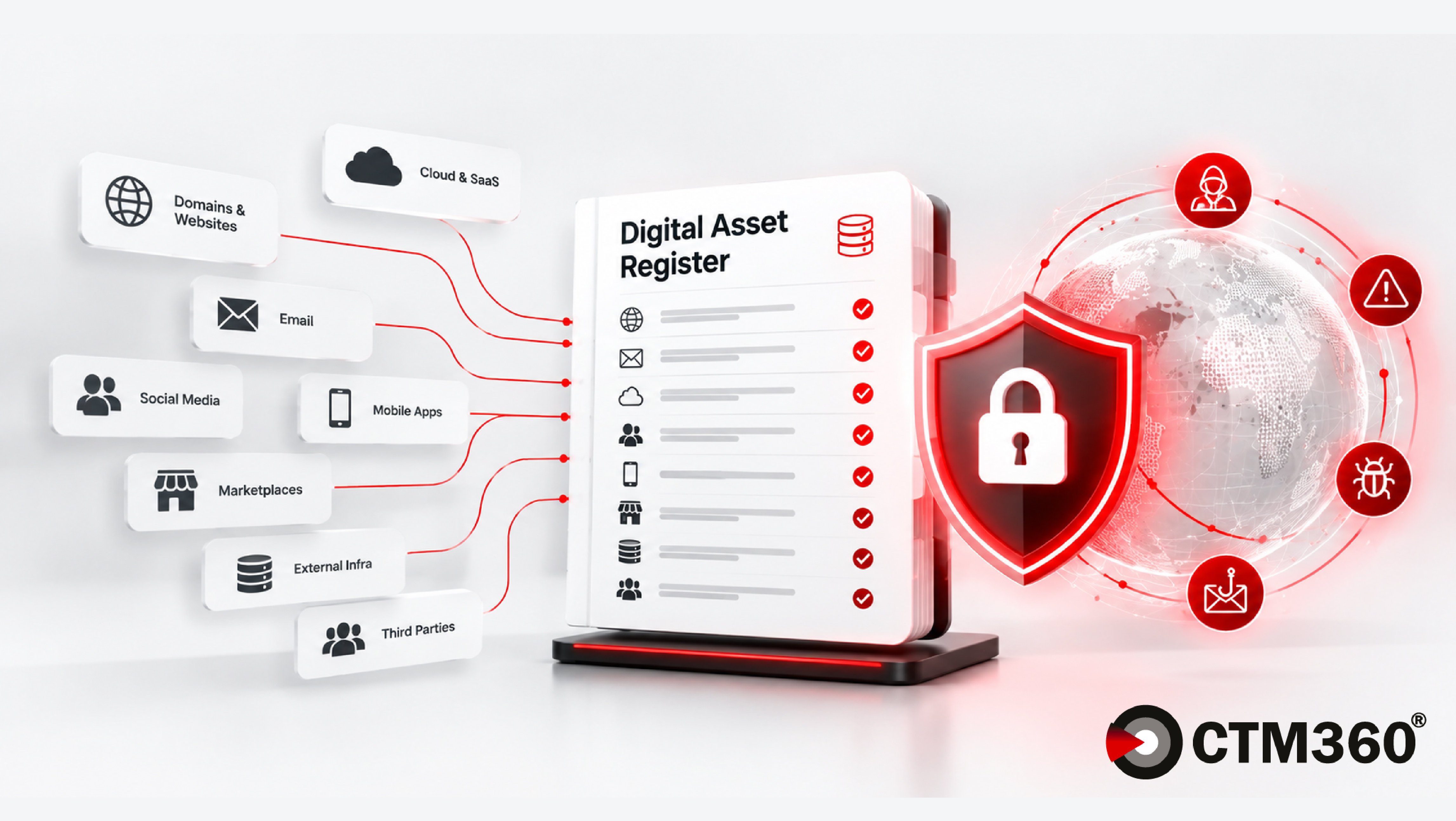
Security teams often rely on their configuration management database (CMDB), known cloud accounts and centrally managed domains. However, these records may not reflect everything the organisation has exposed to the internet.
Assets can be overlooked for ordinary business reasons:
- Marketing agencies launch websites using external hosting providers.
- Regional offices register domains independently.
- Acquired companies bring systems that never enter the central inventory.
- Temporary development environments remain online after projects end.
These assets may still support important business operations.
Effective CTEM scoping should therefore begin with business priorities, such as customer services, online transactions or remote access, rather than relying exclusively on existing IT records.
Discovery Should Reveal What the Organisation Is Missing
Once the scope is established, CTEM discovery identifies the assets, vulnerabilities and misconfigurations associated with those services.
External discovery helps organisations find systems that may be missing from internal inventories. However, identifying a connection does not automatically prove ownership.
Security teams should establish:
- Asset association: What evidence connects the discovered system to the organisation?
- Asset ownership: Who operates or manages the system?
- Asset relevance: Does it support a business service that needs protecting?
The UK National Cyber Security Centre recommends maintaining accurate asset information and using different sources to identify inconsistencies.
The objective is not simply to discover more assets. It is to establish a reliable picture of the organisation’s external exposure.
Prioritisation Requires Business Context
Consider the customer registration website mentioned earlier. Further investigation reveals that it runs an outdated application component with a known vulnerability.
The security team now needs to determine how urgently the issue should be addressed.
Several factors influence that decision:
- Is the vulnerable service accessible from the internet?
- Is there evidence of active exploitation?
- Does the application process sensitive customer information?
- Are existing security controls reducing the exposure?
CTEM prioritisation considers technical severity alongside exploitability, accessibility and potential business impact.
Without reliable asset information, security teams may struggle to distinguish genuinely urgent exposures from findings that present a lower immediate risk.
Validation Confirms Whether the Exposure Is Real
A vulnerability finding does not necessarily mean an attacker can exploit it.
CTEM validation examines whether a weakness affects the identified system and whether a credible attack path exists. This may involve configuration reviews, targeted technical checks or authorised security testing.
For services operated by external providers, organisations may also need to establish who is authorised to perform these assessments.
Validation helps security teams avoid unnecessary remediation work while ensuring that significant exposures receive appropriate attention.
Mobilisation Turns Findings Into Action
Even after an exposure has been confirmed, remediation can become complicated.
The regional sales team may believe its external agency handles security. The agency may require approval before updating the application, while central IT may not consider the website part of its responsibilities.
CTEM mobilisation addresses these operational gaps by establishing:
- Ownership: Who is responsible for addressing the exposure?
- Action: What needs to be fixed, restricted or removed?
- Verification: How will the organisation confirm that the risk has been reduced?
Without clear responsibility, validated findings can remain unresolved.
The results should also inform future CTEM cycles, allowing organisations to adjust their scope and improve how they identify and manage exposures.
What Should CISOs Measure?
The number of discovered assets or vulnerabilities does not demonstrate whether a CTEM programme is working.
More meaningful measures include:
- The number of previously unknown assets verified and brought into scope.
- The percentage of important assets with confirmed owners.
- The time taken to validate and prioritise significant exposures.
- The number of priority findings successfully remediated or mitigated.
A growing asset inventory may indicate improved discovery rather than deteriorating security.
Ultimately, a trustworthy asset list is not the final objective of external CTEM. It is the foundation that allows organisations to prioritise, validate and reduce meaningful security exposures.
Request a demo to explore how CTM360 supports continuous discovery, exposure assessment and coordinated response.
Frequently Asked Questions
Can CTEM work with an incomplete asset inventory?
Yes. Organisations can begin with known business services and use external discovery to identify missing assets. The important step is ensuring that newly discovered systems are verified and incorporated into the ongoing CTEM process.
Does discovering an unknown asset mean it is a security risk?
Not necessarily. Security teams should first establish whether the asset belongs to the organisation, what it is used for and whether it has relevant security exposures. Discovery alone does not confirm a vulnerability.
How can organisations measure CTEM effectiveness?
CTEM effectiveness should be measured through validated exposures, ownership coverage, remediation progress and reductions in meaningful security risk. The focus should be on improving security outcomes rather than increasing the number of findings.


